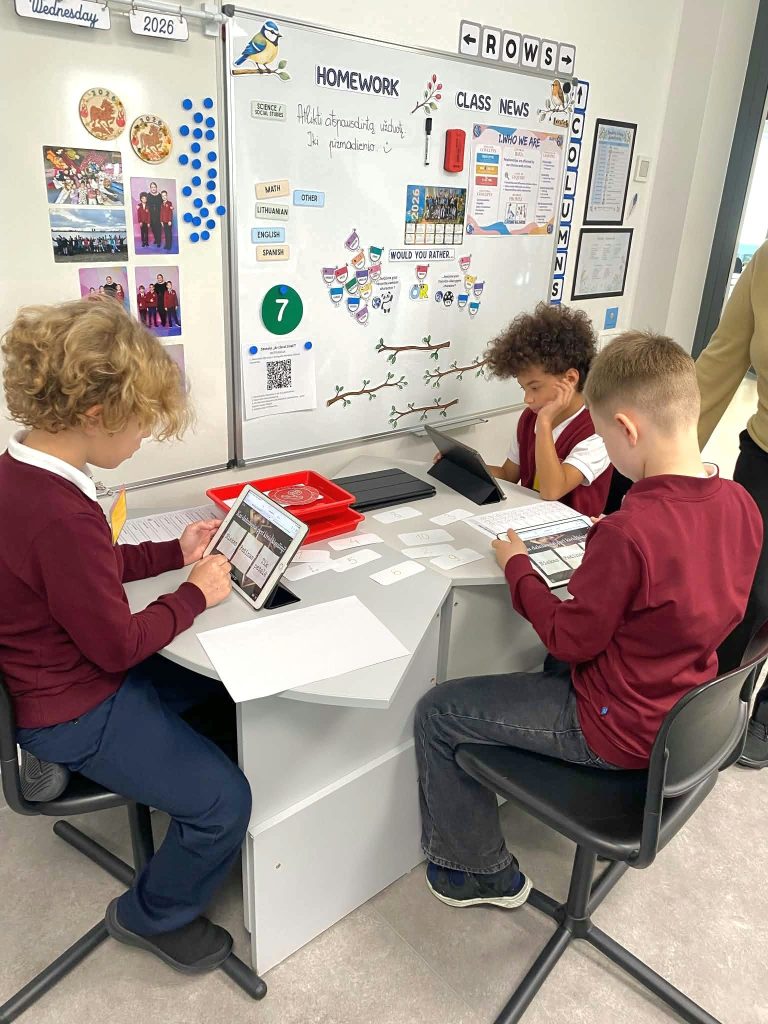
At school, students learn not only from textbooks – they explore, experiment, create and discover through hands-on experiences.
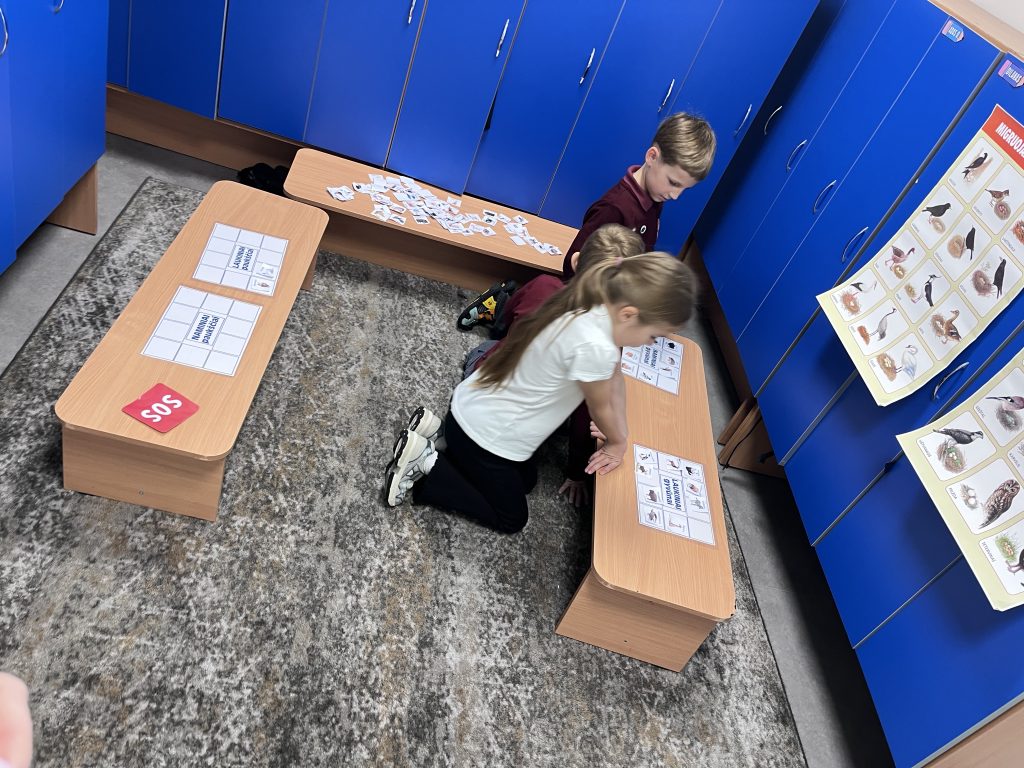
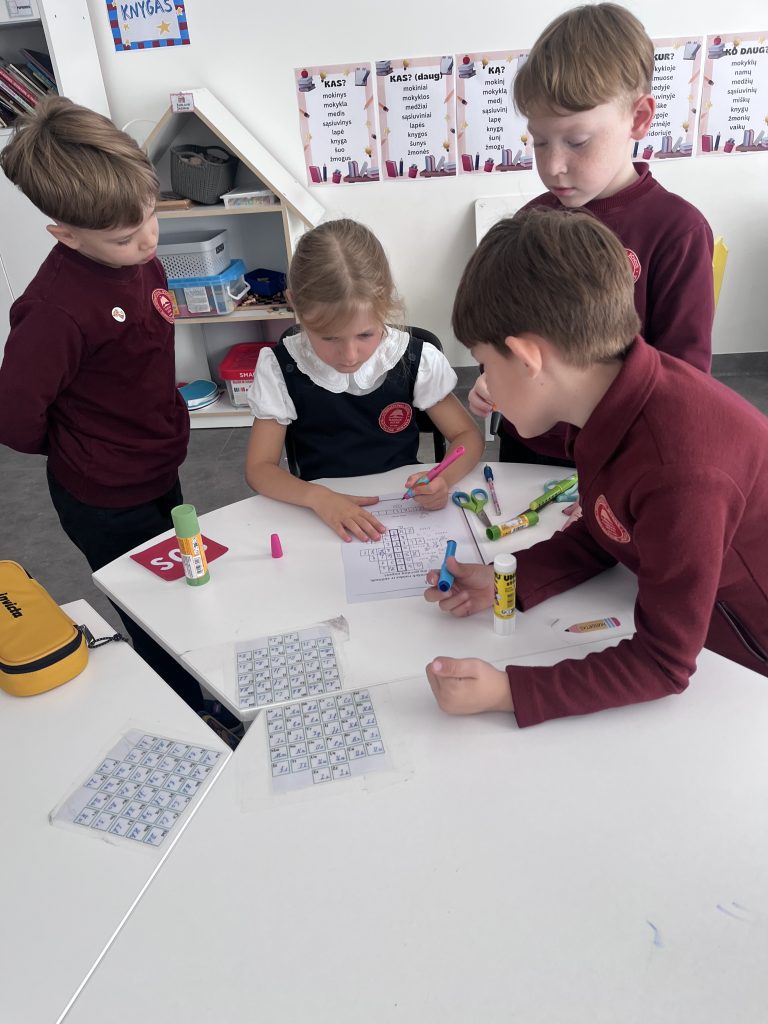
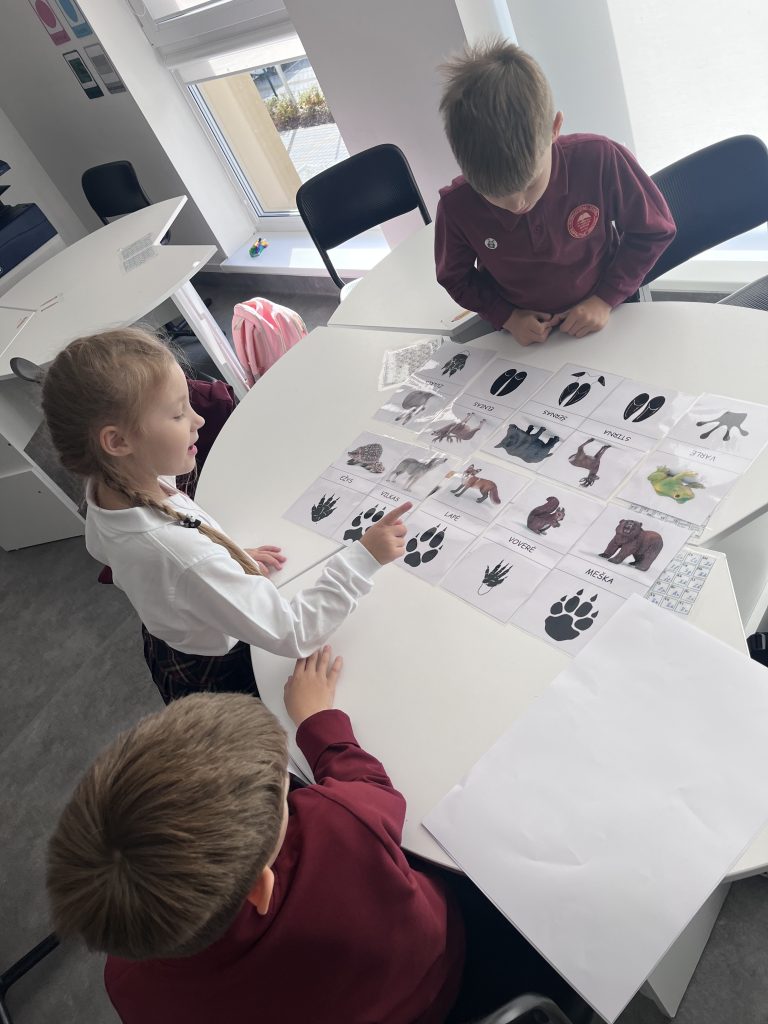
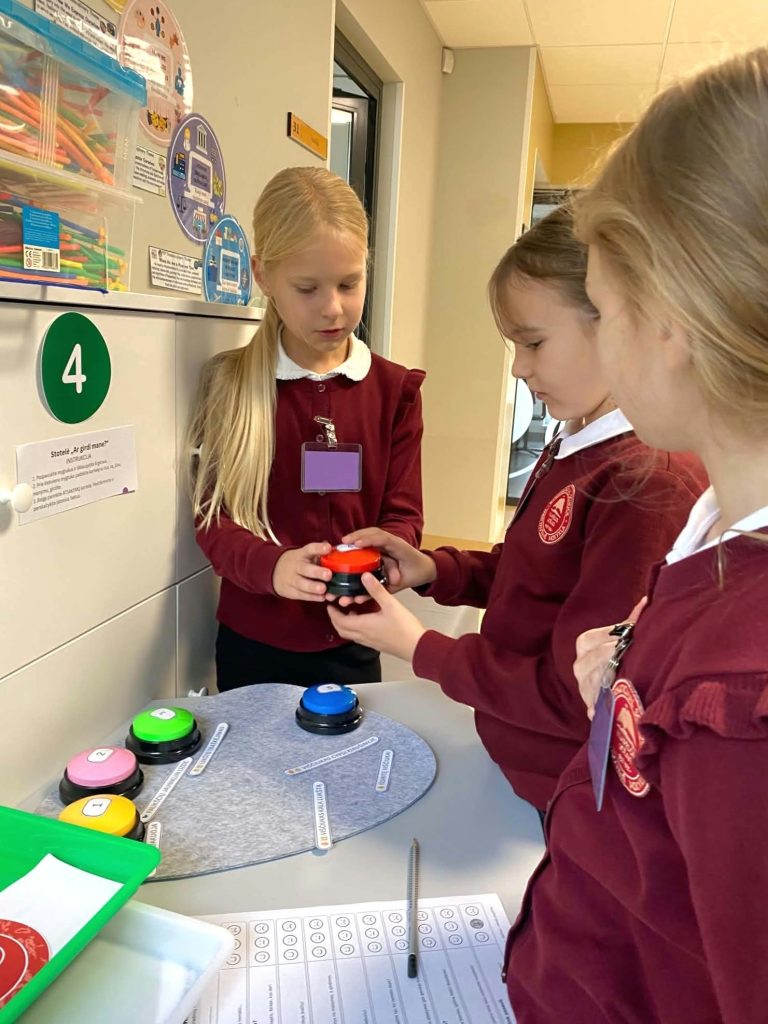
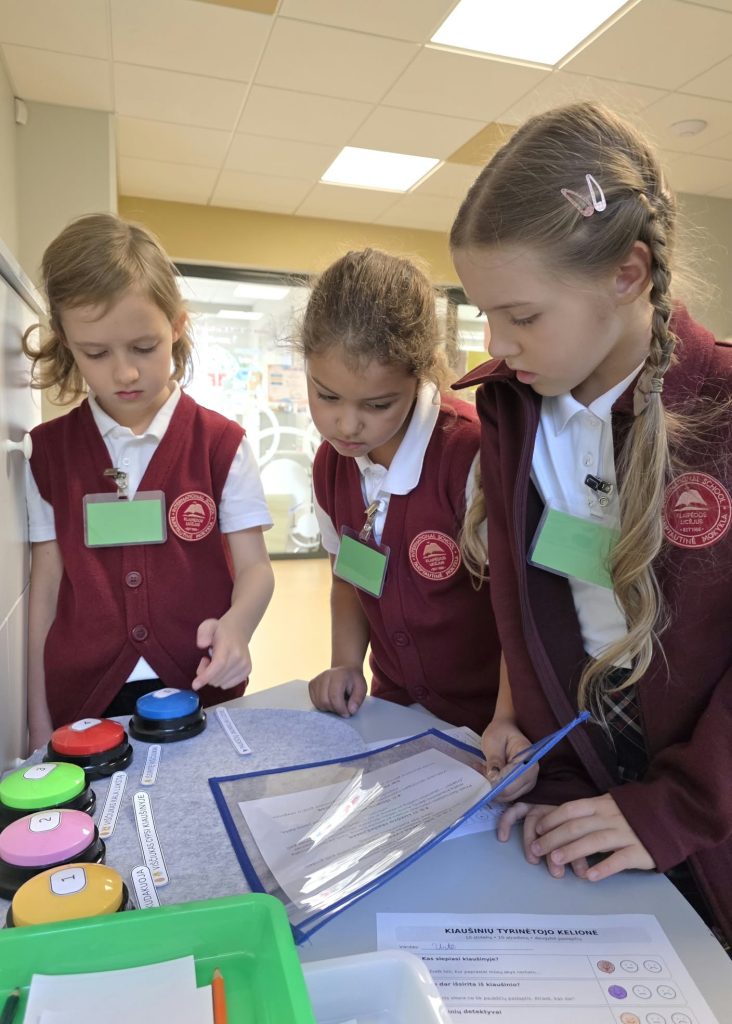
During nature studies activities, students learned about mammals living in Lithuania, used a learning stations approach, explored animal diversity and discovered the characteristics of their habitats and lifestyles.
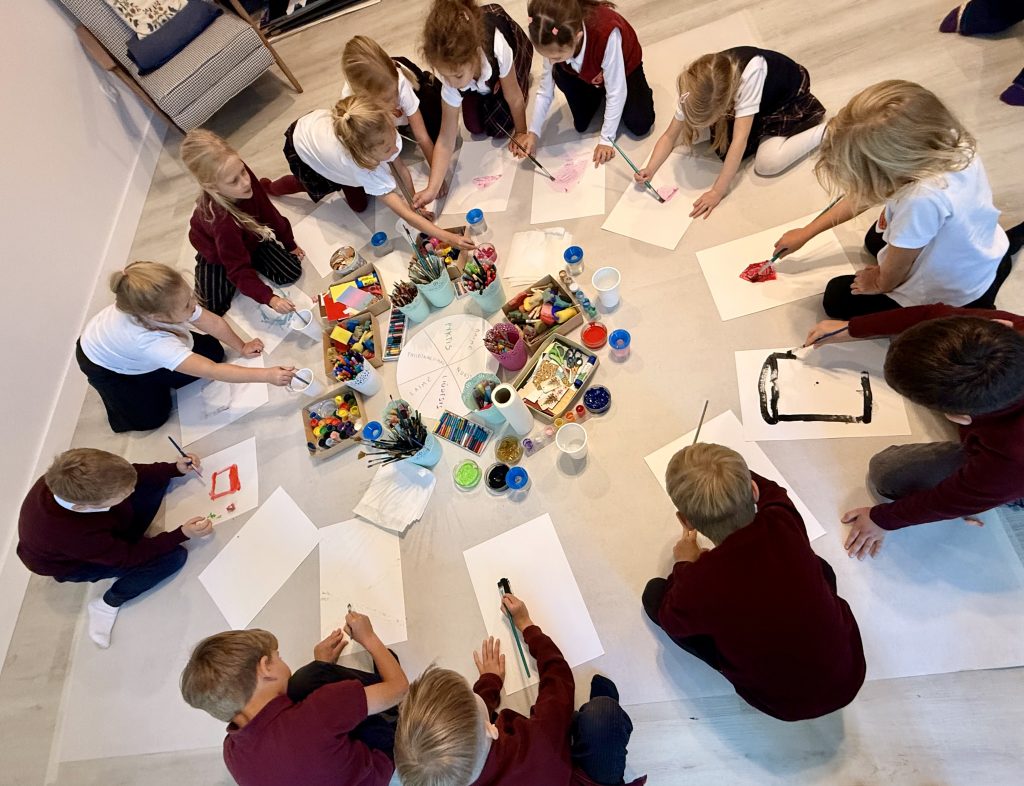
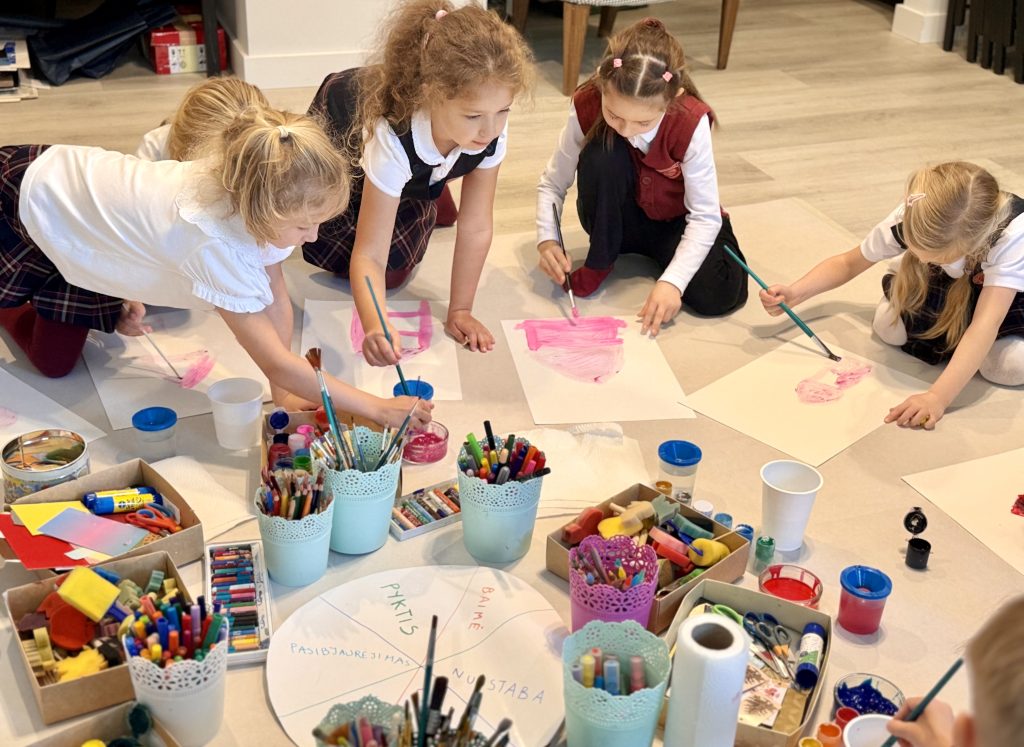
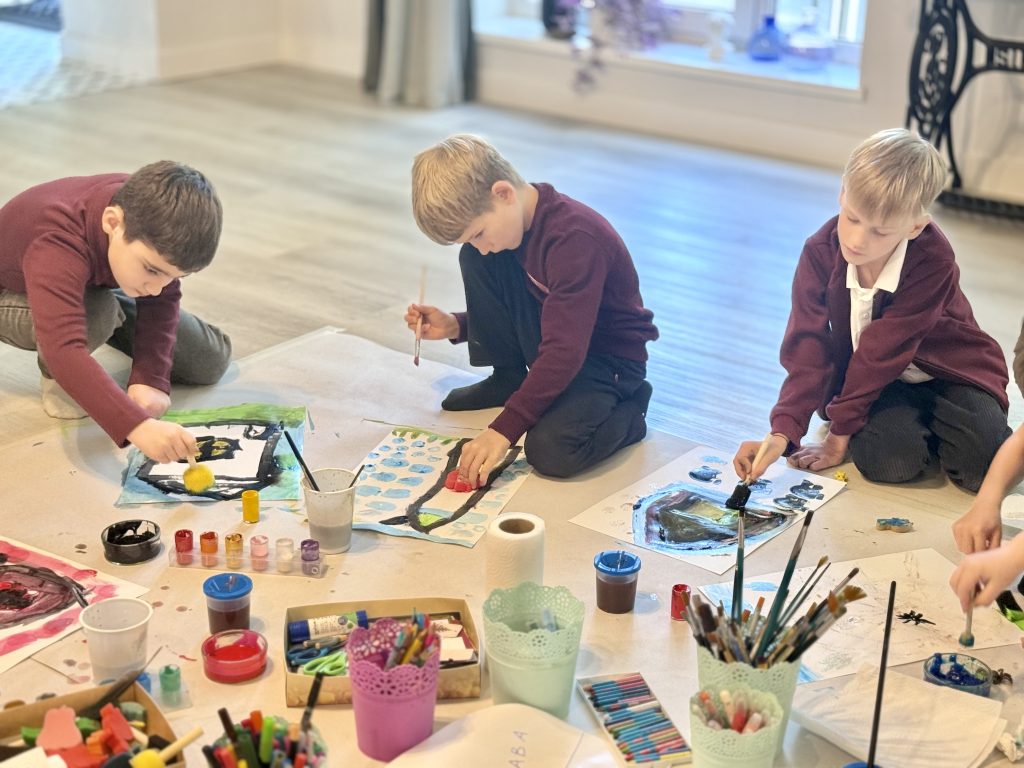
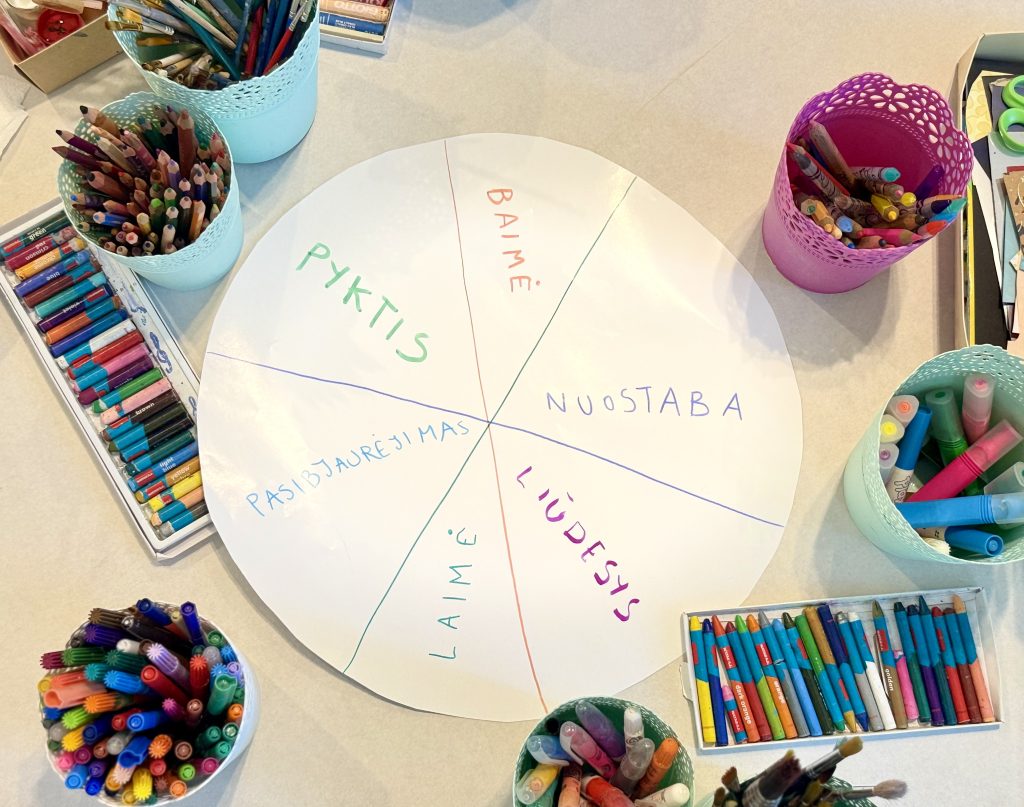
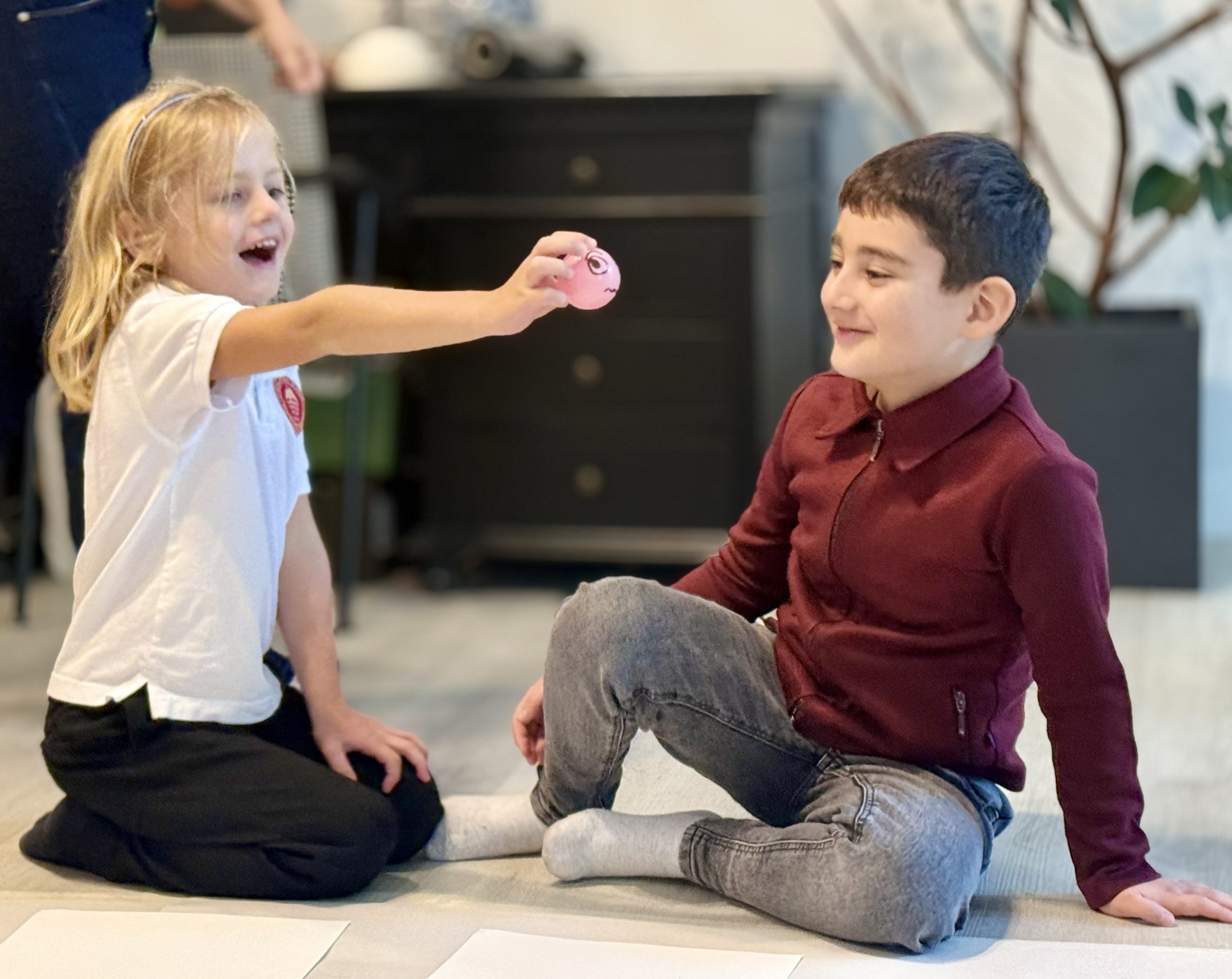
Younger students took part in an art therapy activity, expressing their moods through colours and learning to recognise and name their feelings.
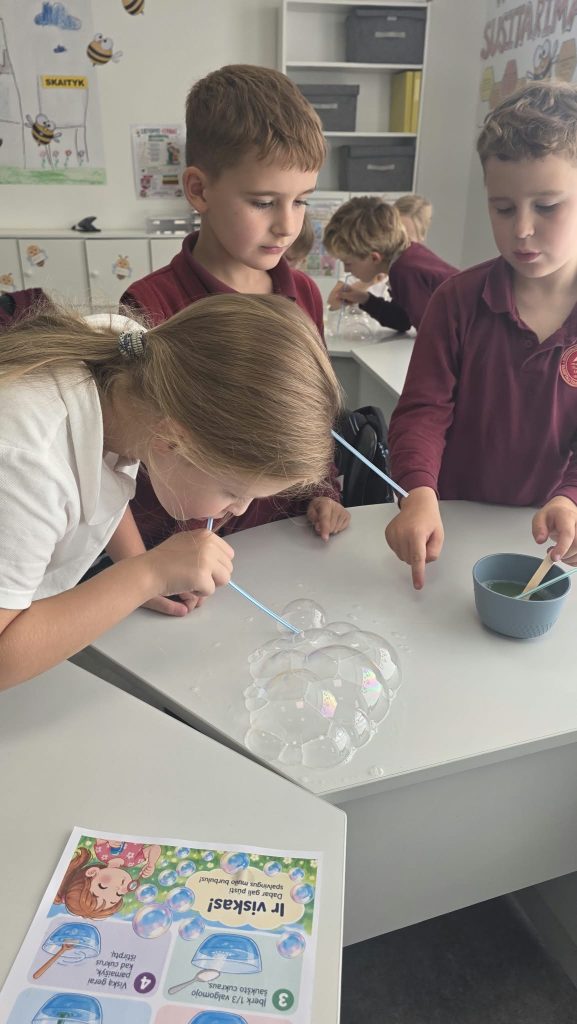
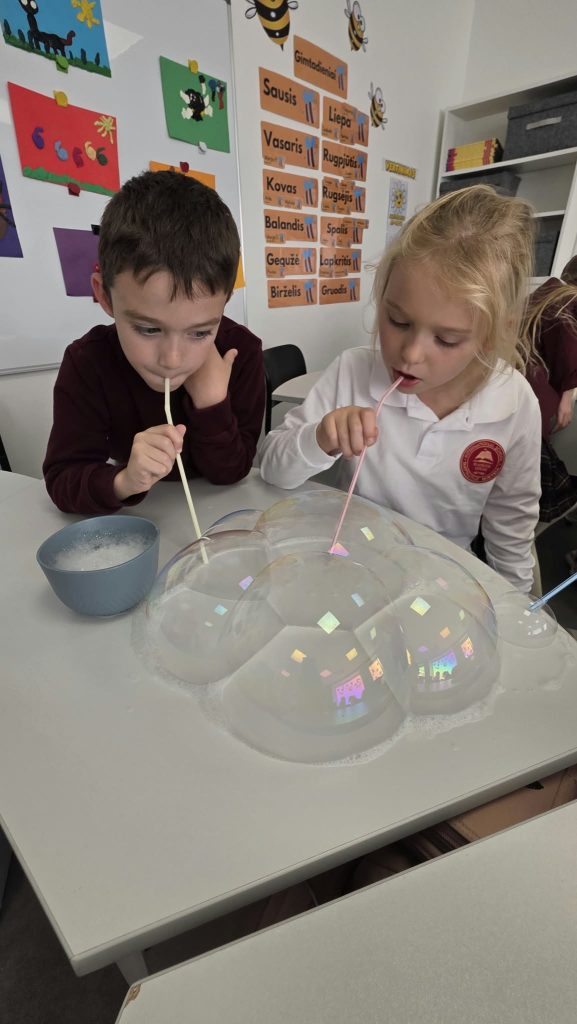
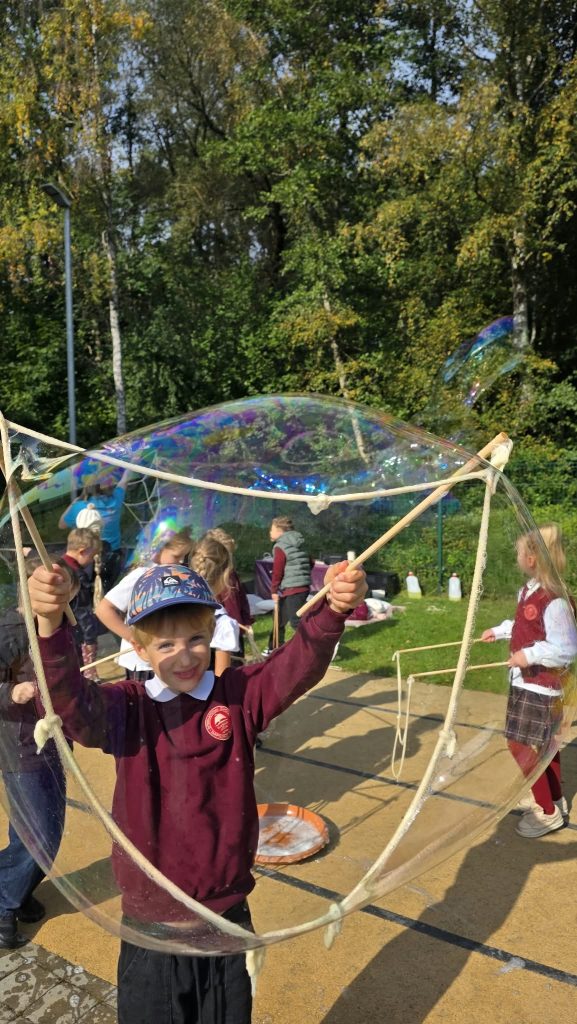
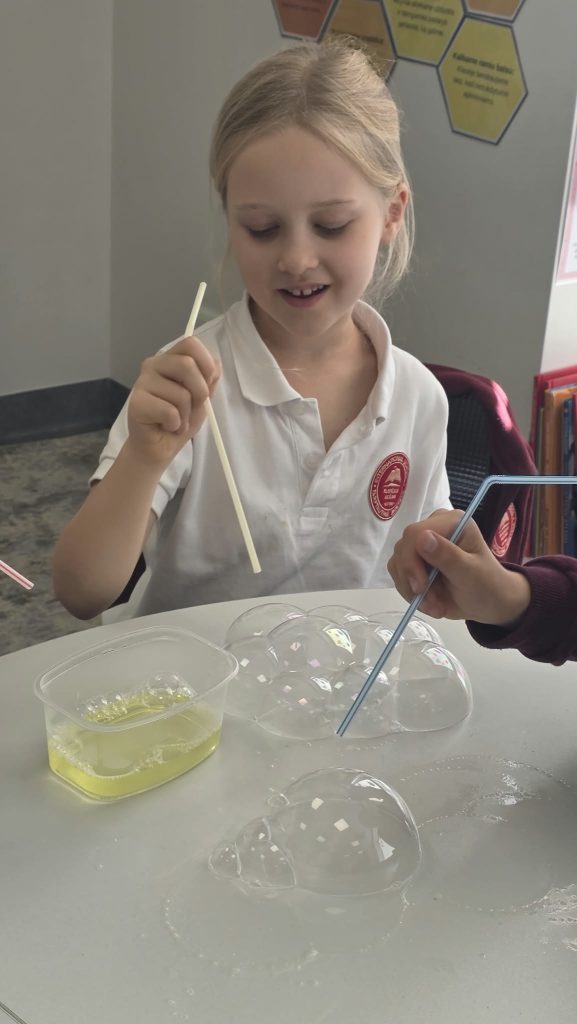
While creatively exploring everyday phenomena, students experimented with soap bubbles, comparing different bubble solution recipes and investigating how the composition of a mixture affects the properties of the bubbles.
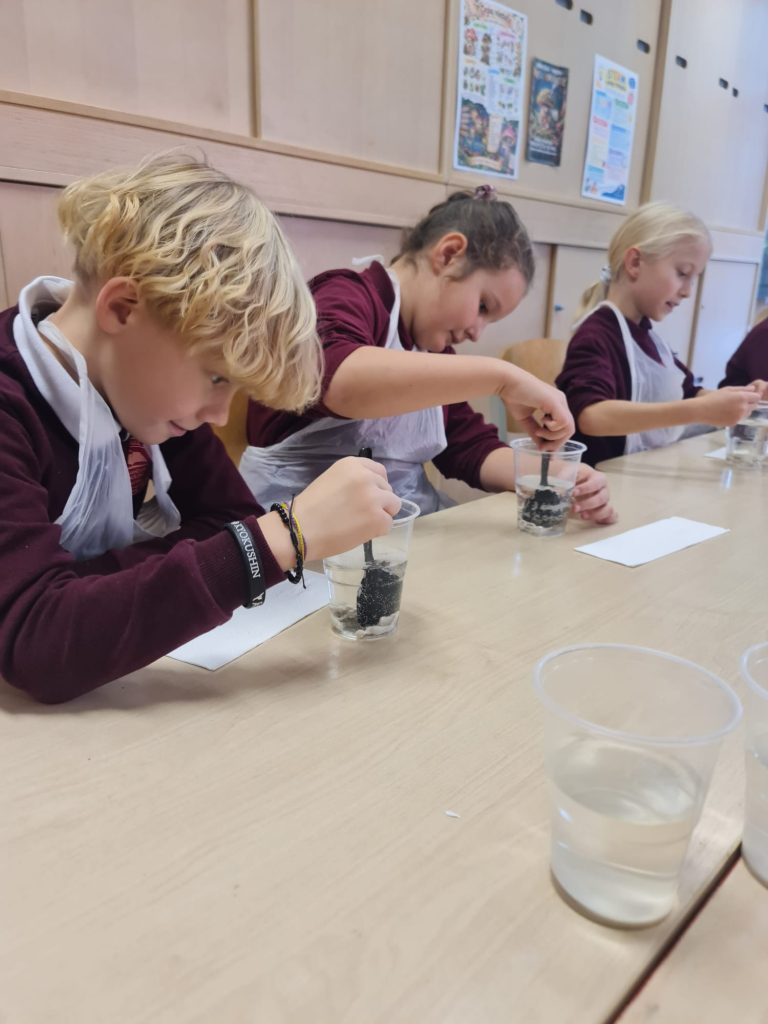
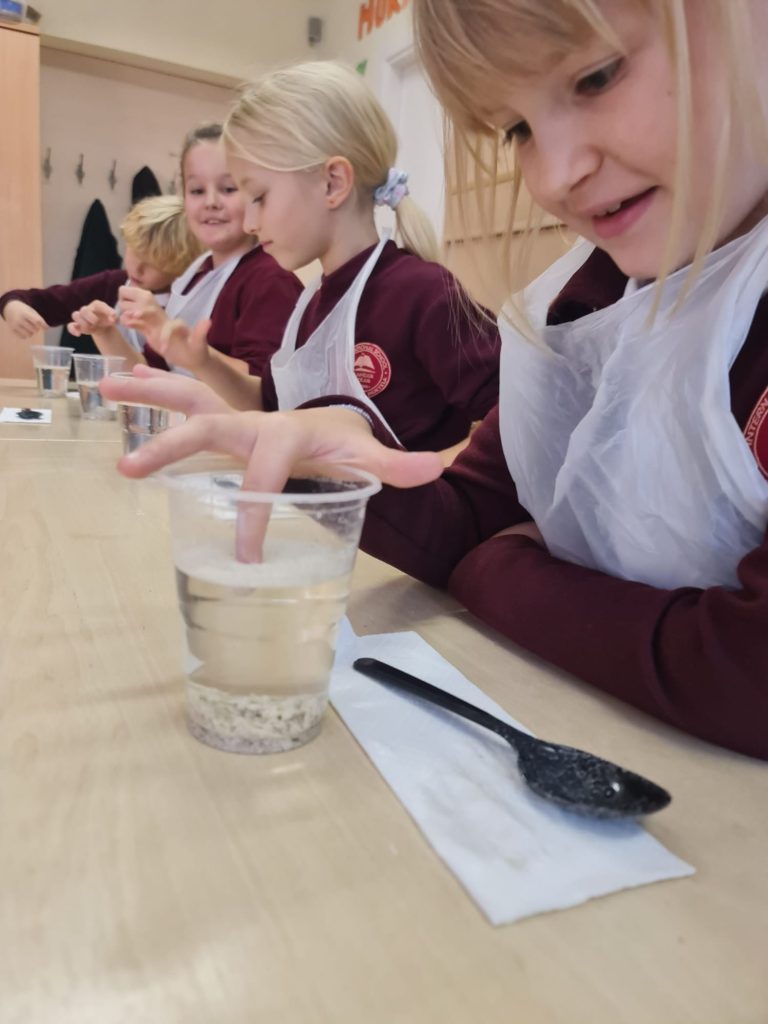
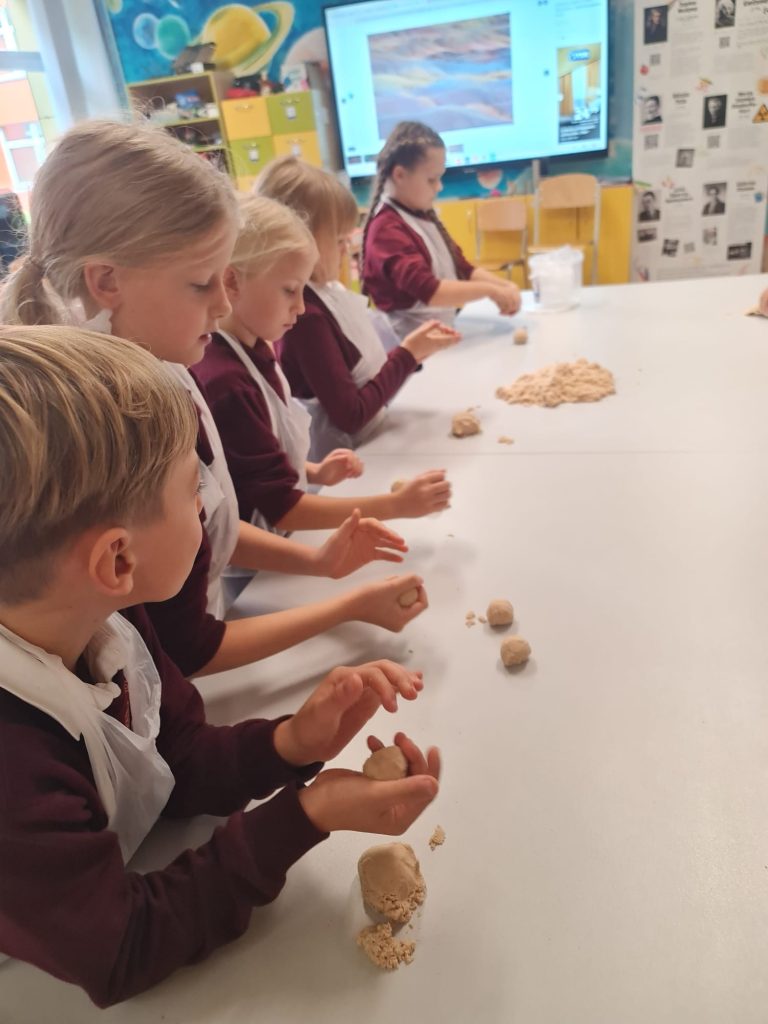
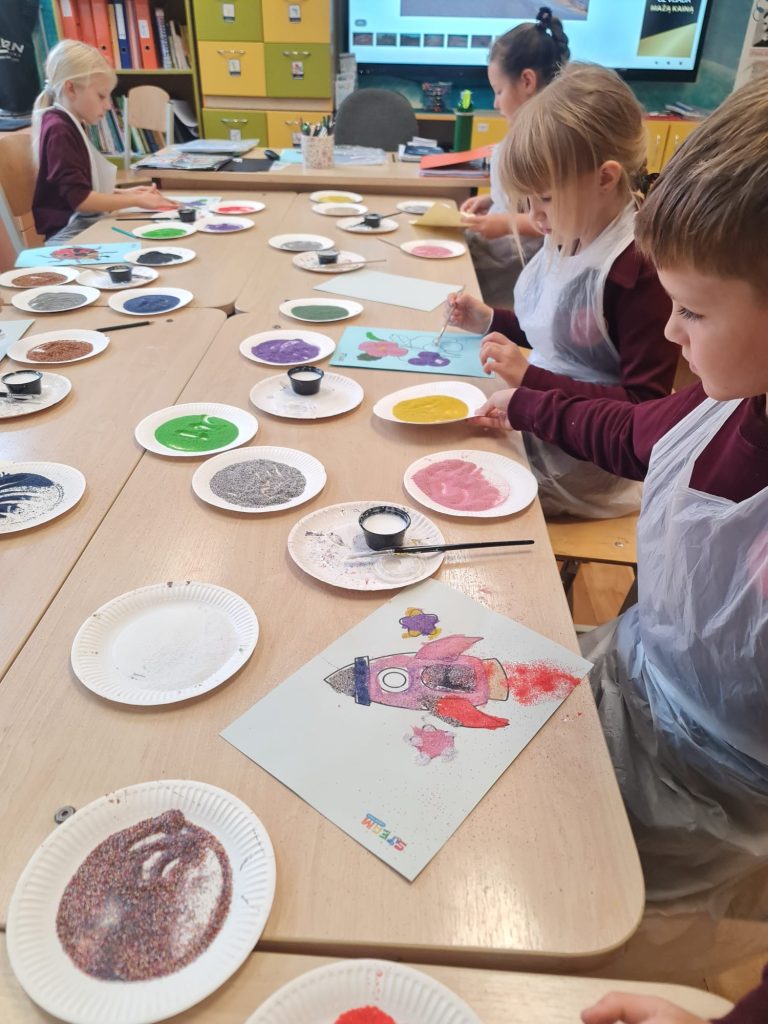
As part of an experiential learning project, students entered the world of “The Secrets of Sand”. They explored different types of sand, carried out experiments, observed its properties and created pictures using coloured sand. These activities sparked curiosity and helped students understand that even ordinary sand can hide many fascinating secrets.
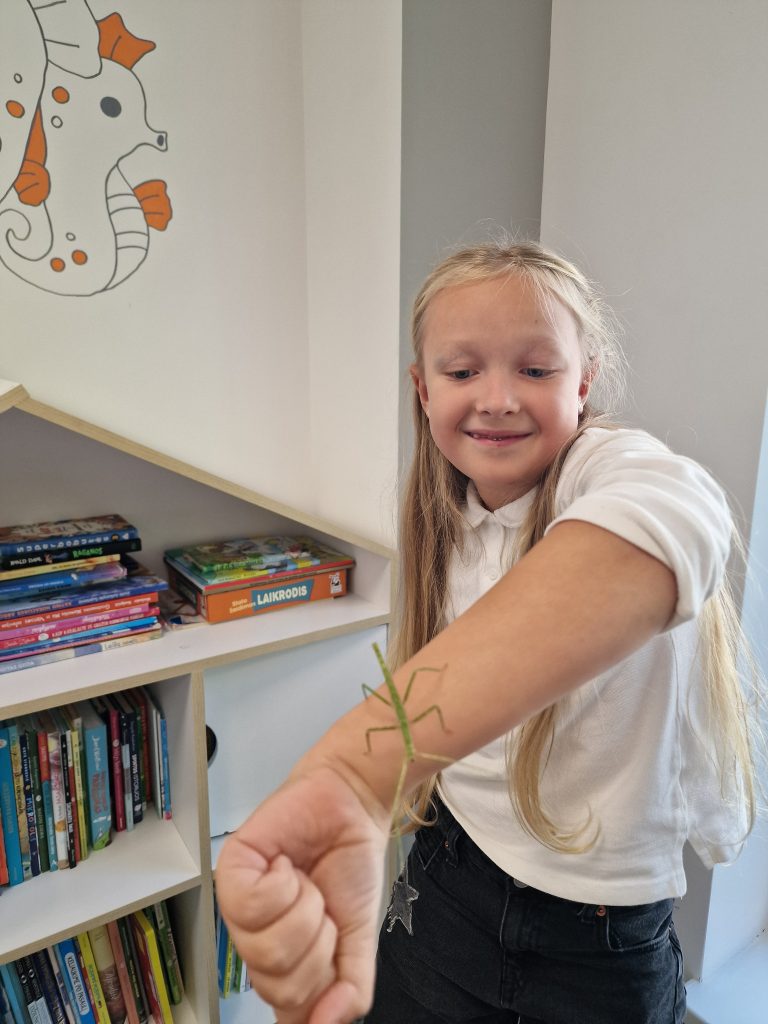
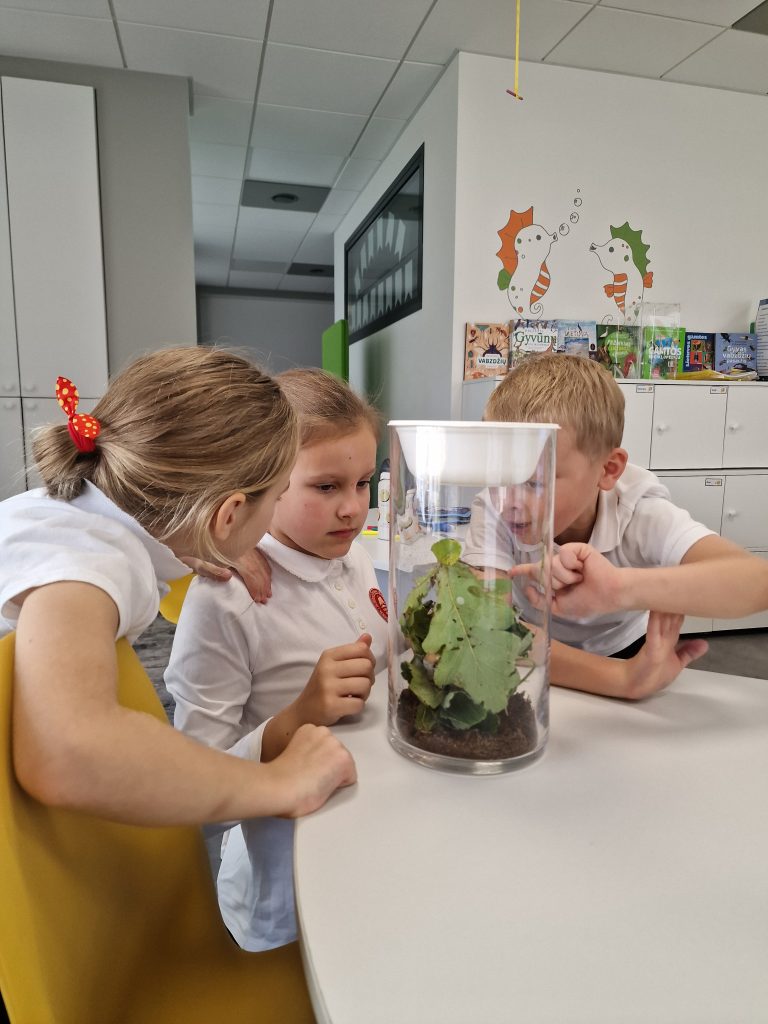
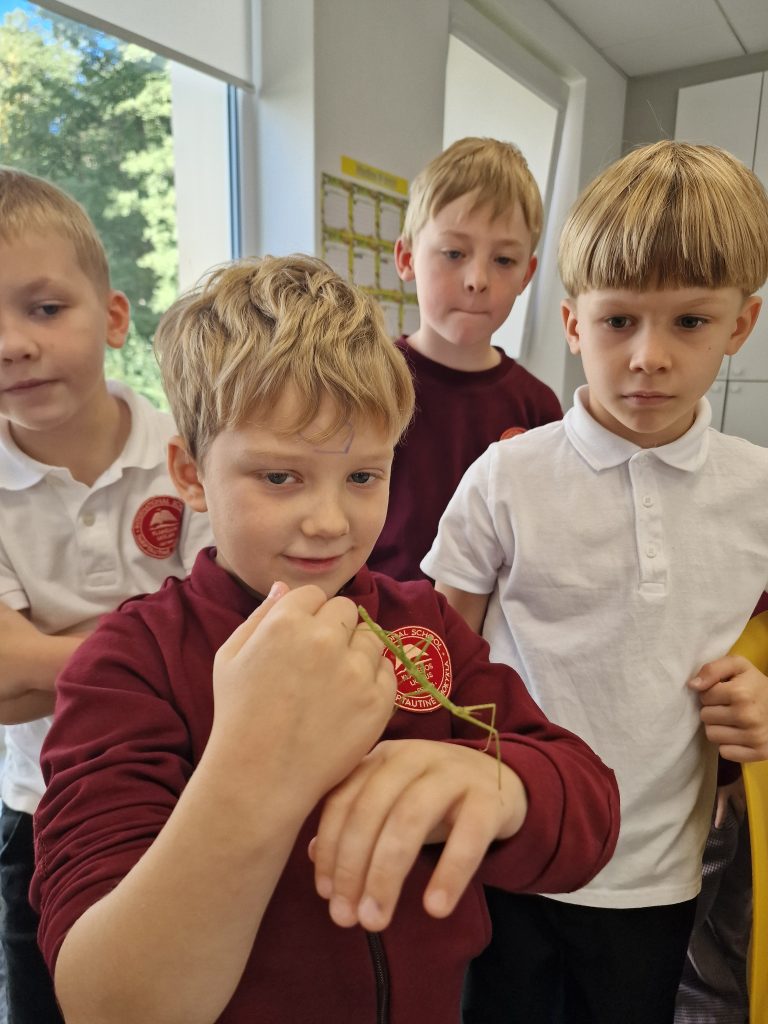
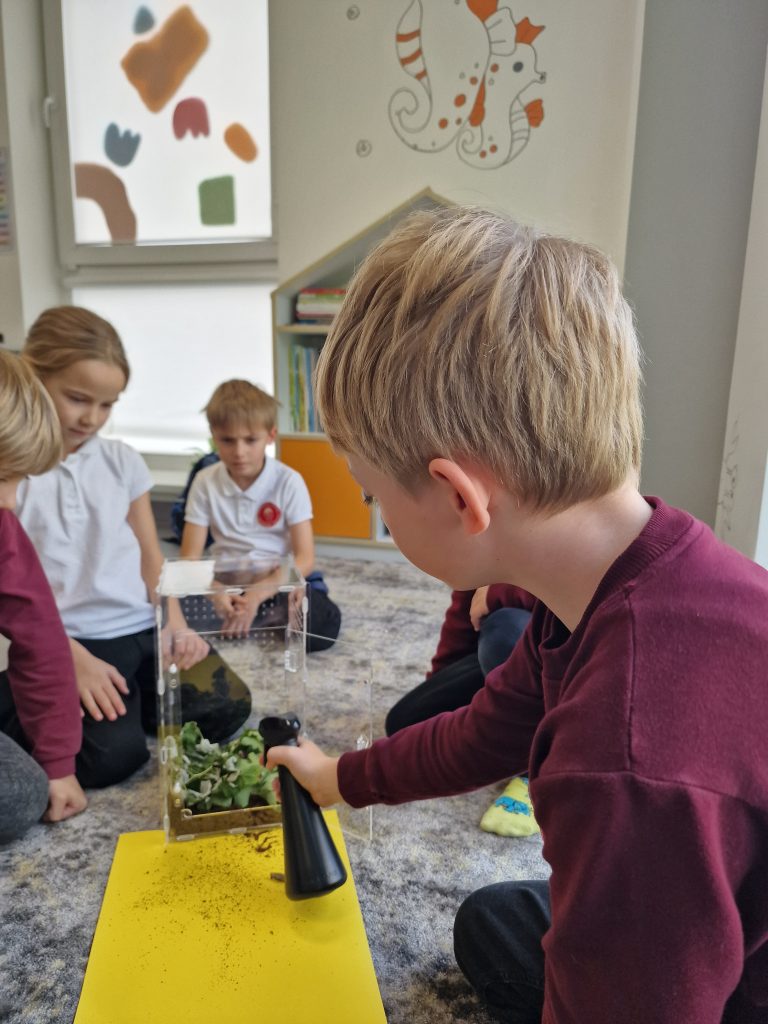
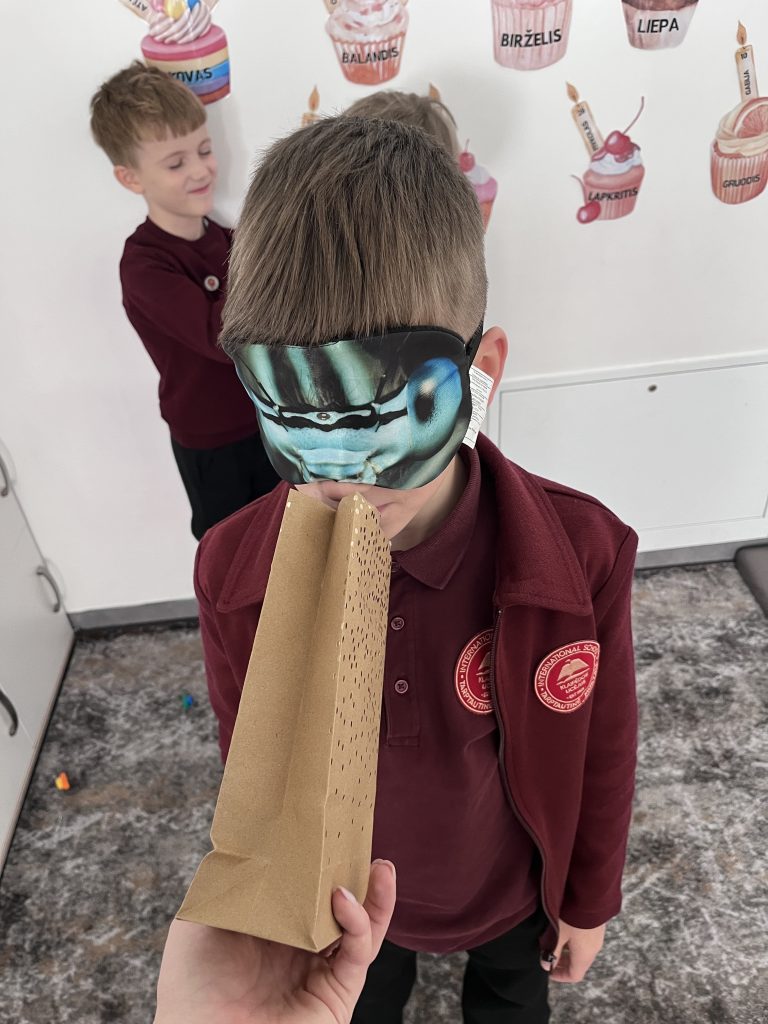
Students also delved into the world of insects. They observed insects in the school environment, learned about their lives, cared for the stick insects they were raising and created a more suitable habitat for them.
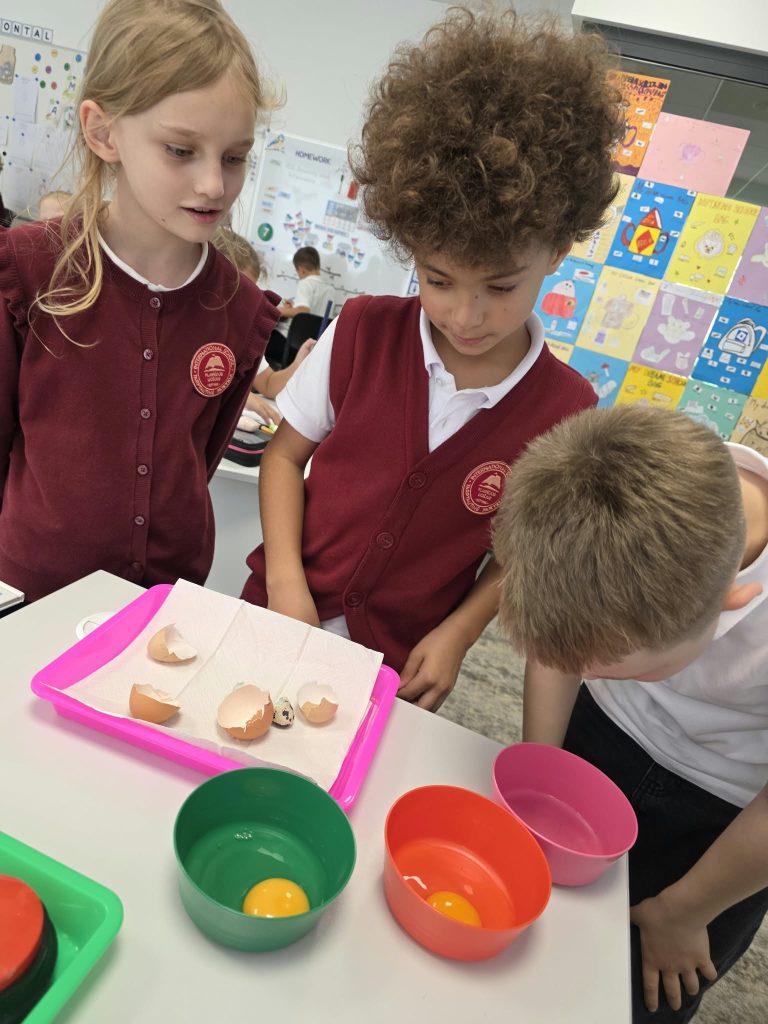
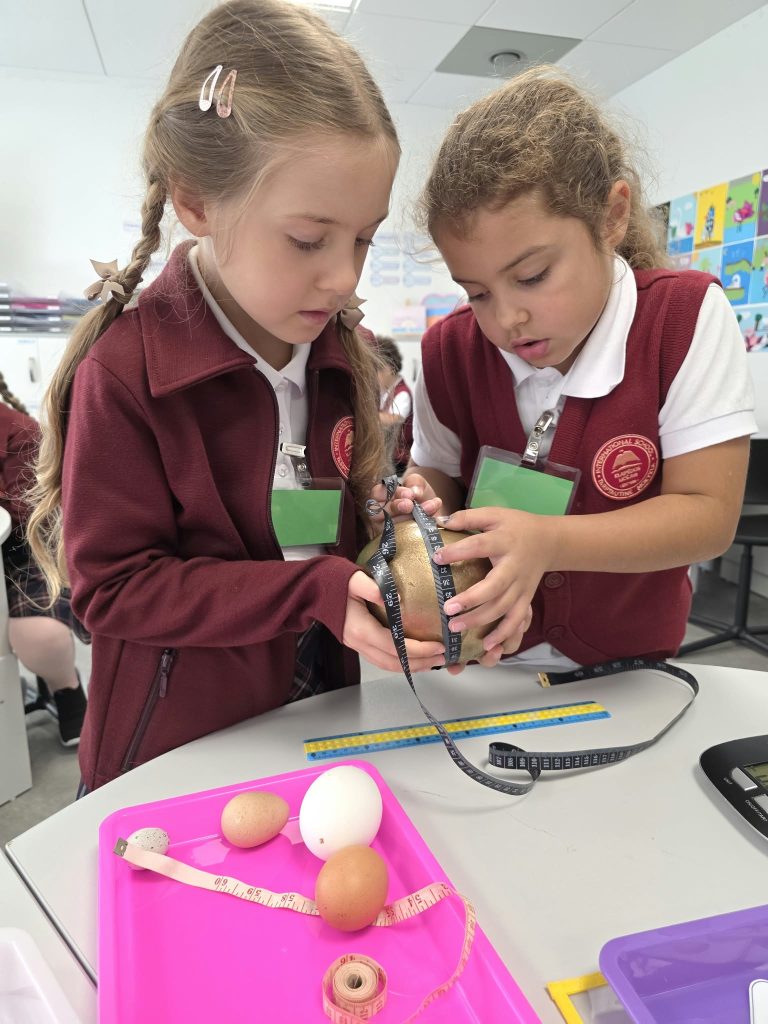
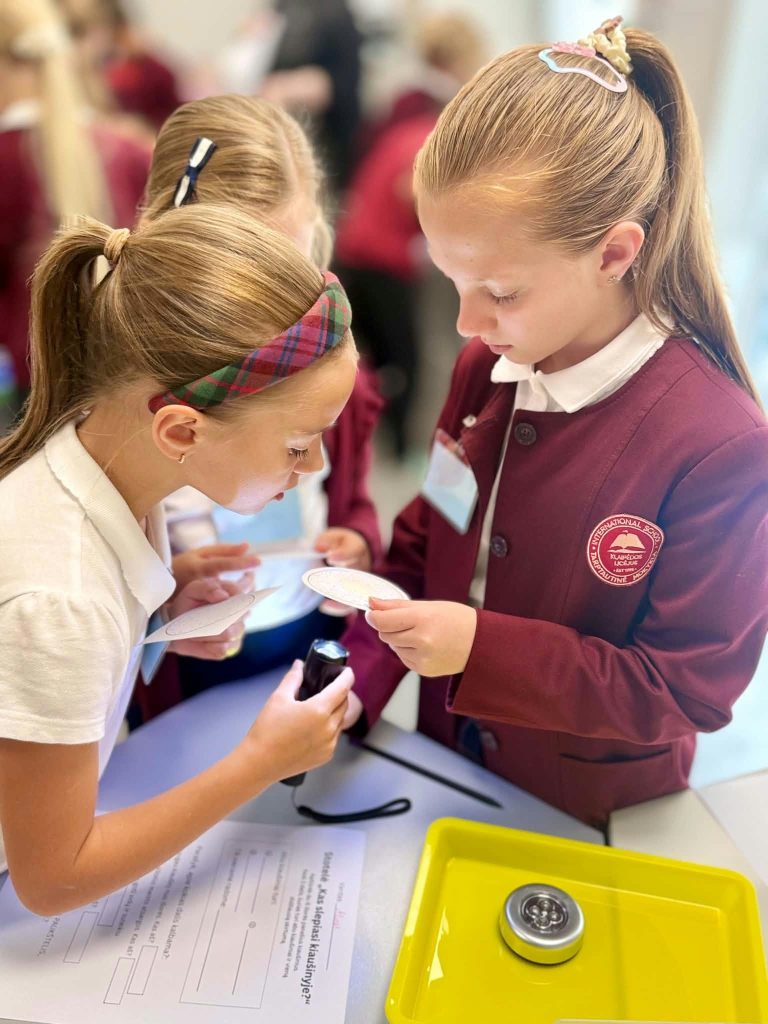
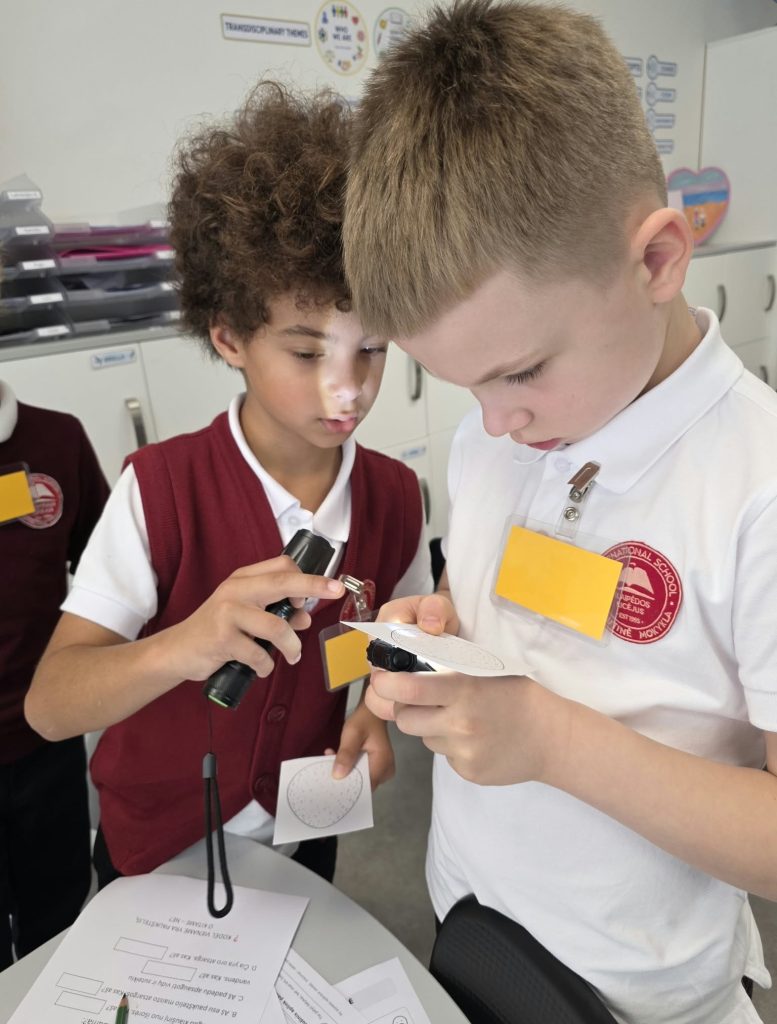
While investigating an egg, students measured its mass and circumference, examined its structure and completed practical tasks. Moving through a series of learning stations, they developed their observation skills, creativity and ability to work as a team.
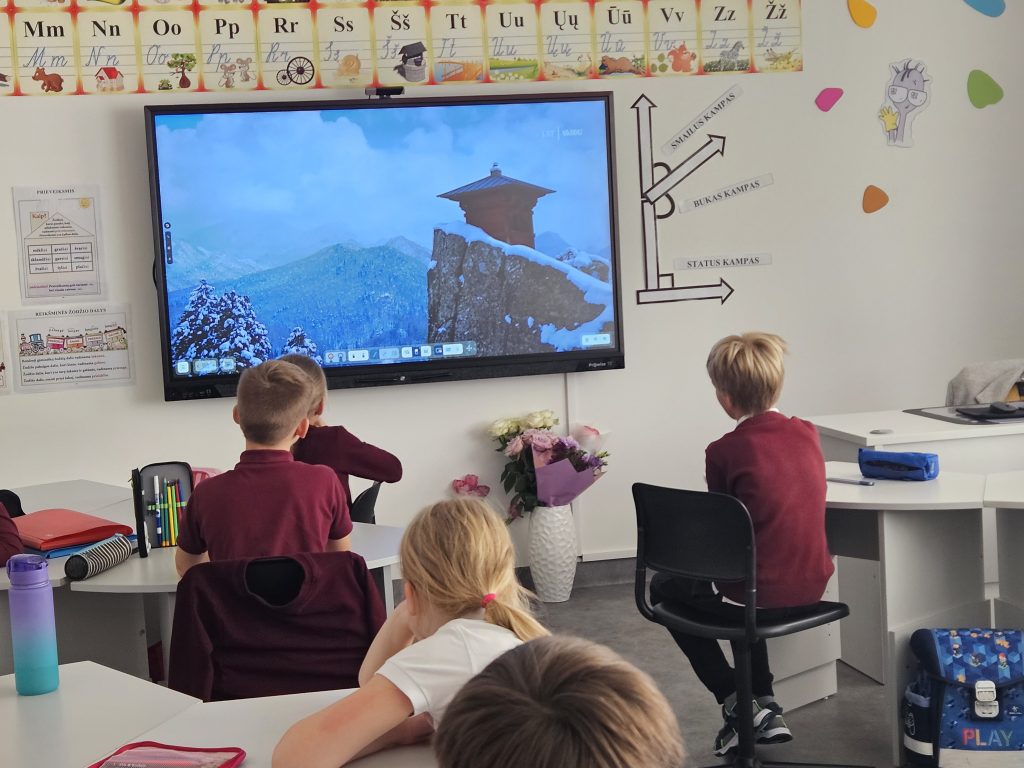
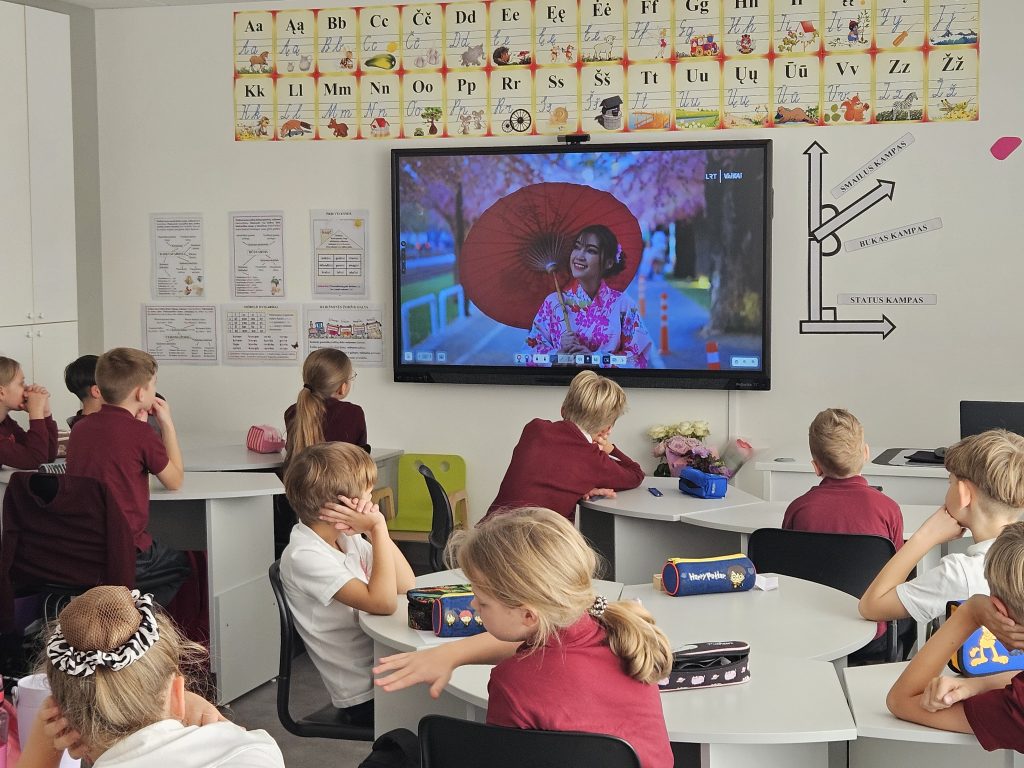
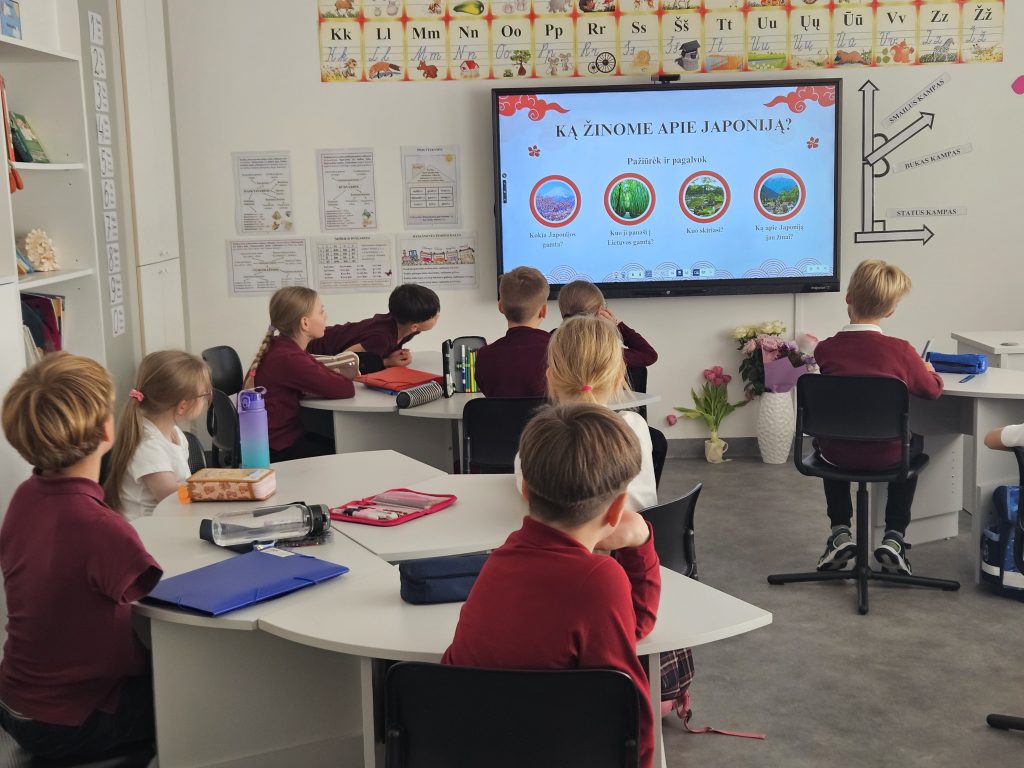
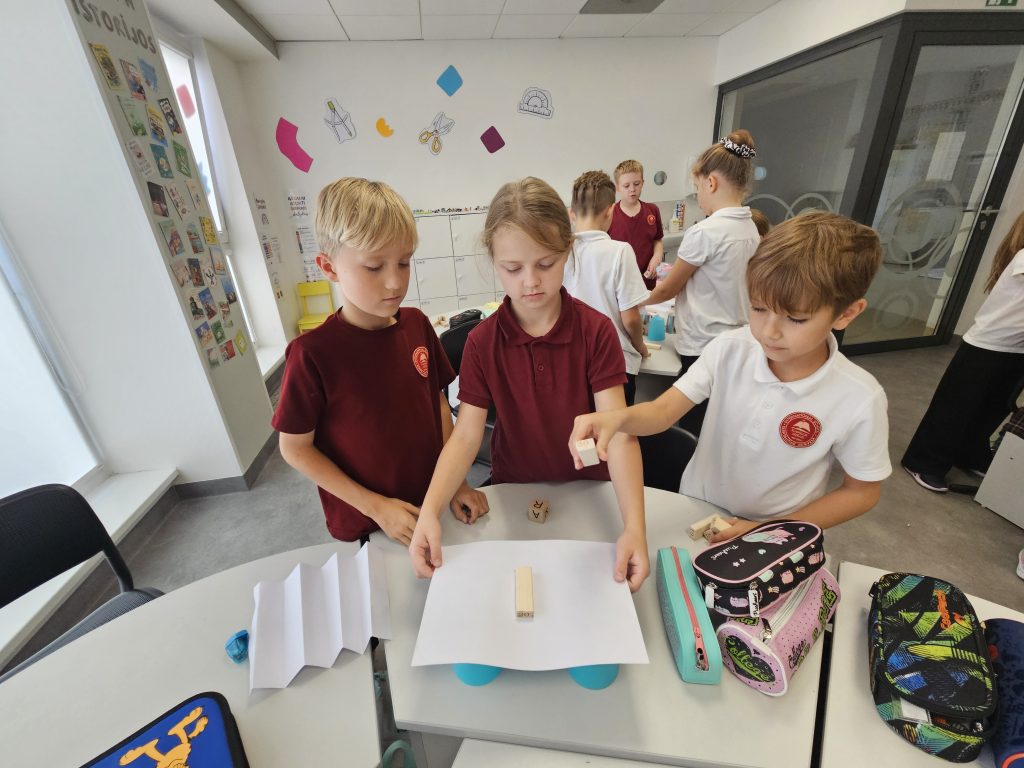
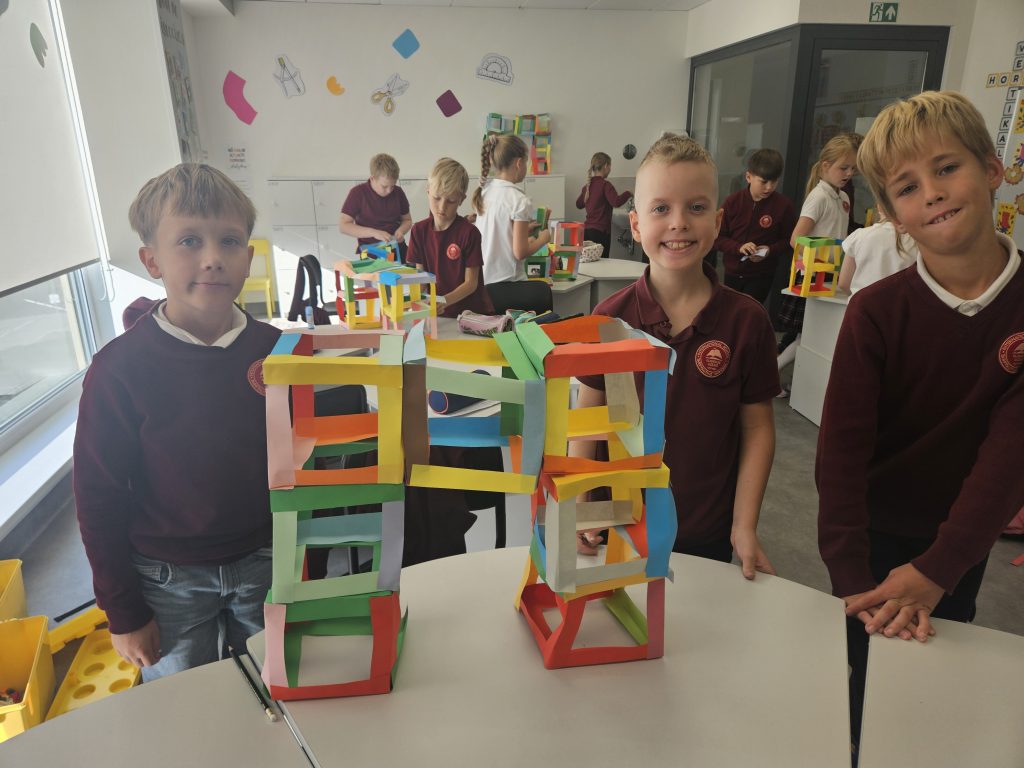
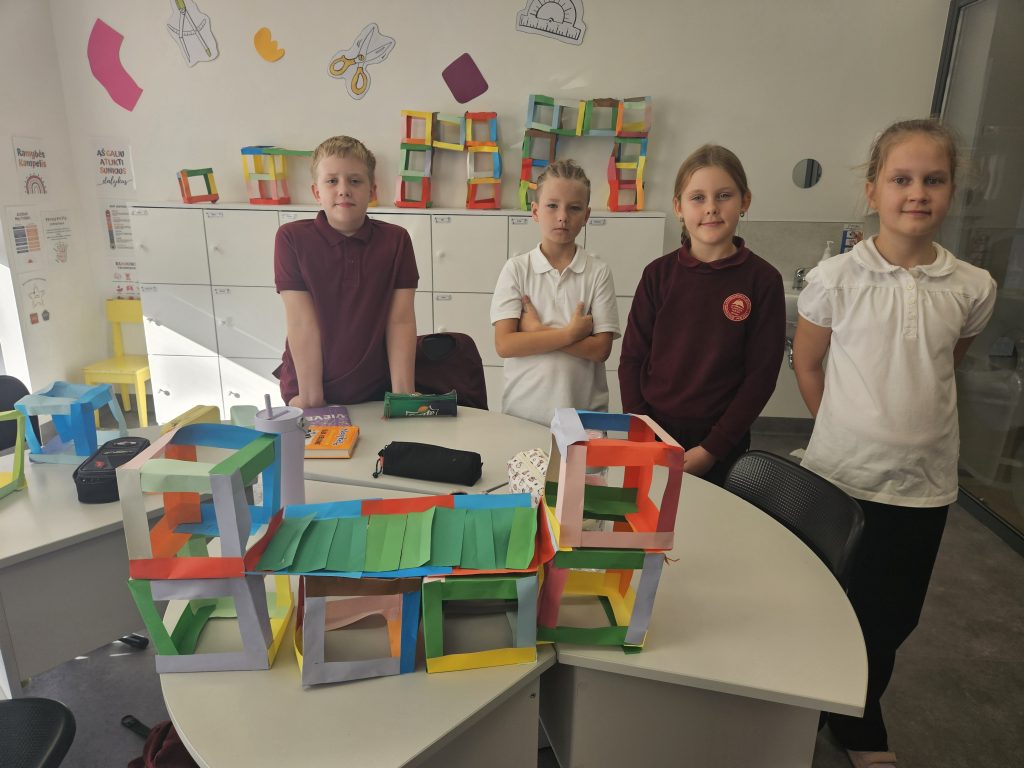
By exploring Japan’s natural environment and the challenges it presents, students investigated how people adapt to different environmental conditions. Through experiments with paper, they designed and tested paper bridges, formulated hypotheses, drew conclusions and learned to collaborate.
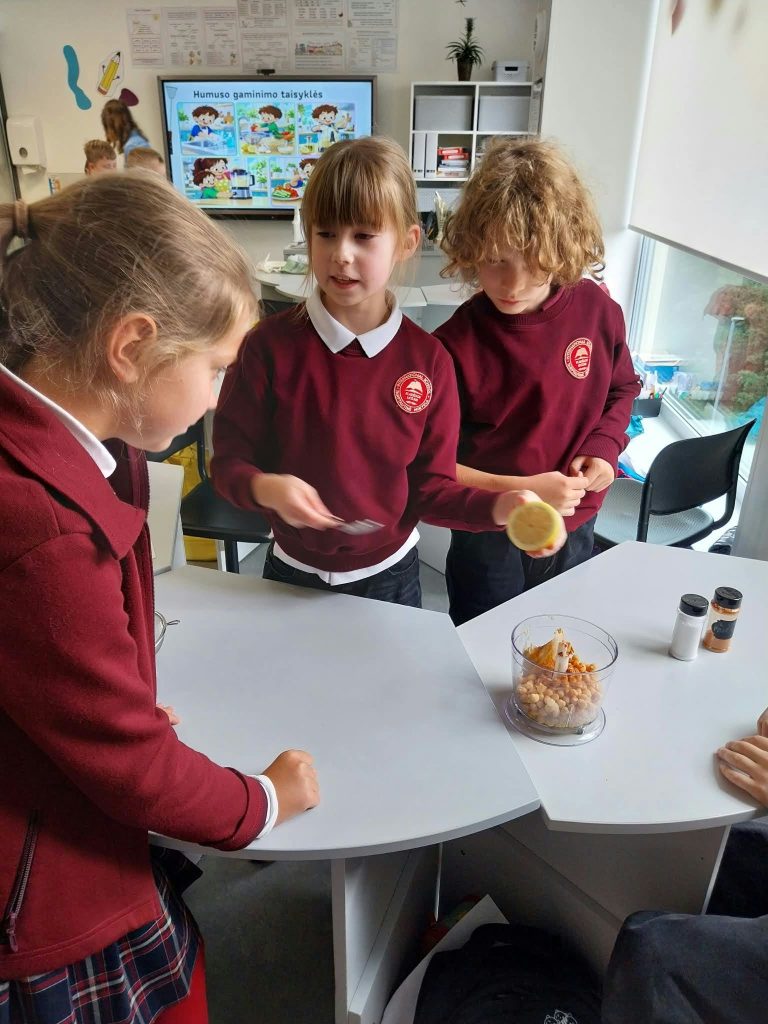
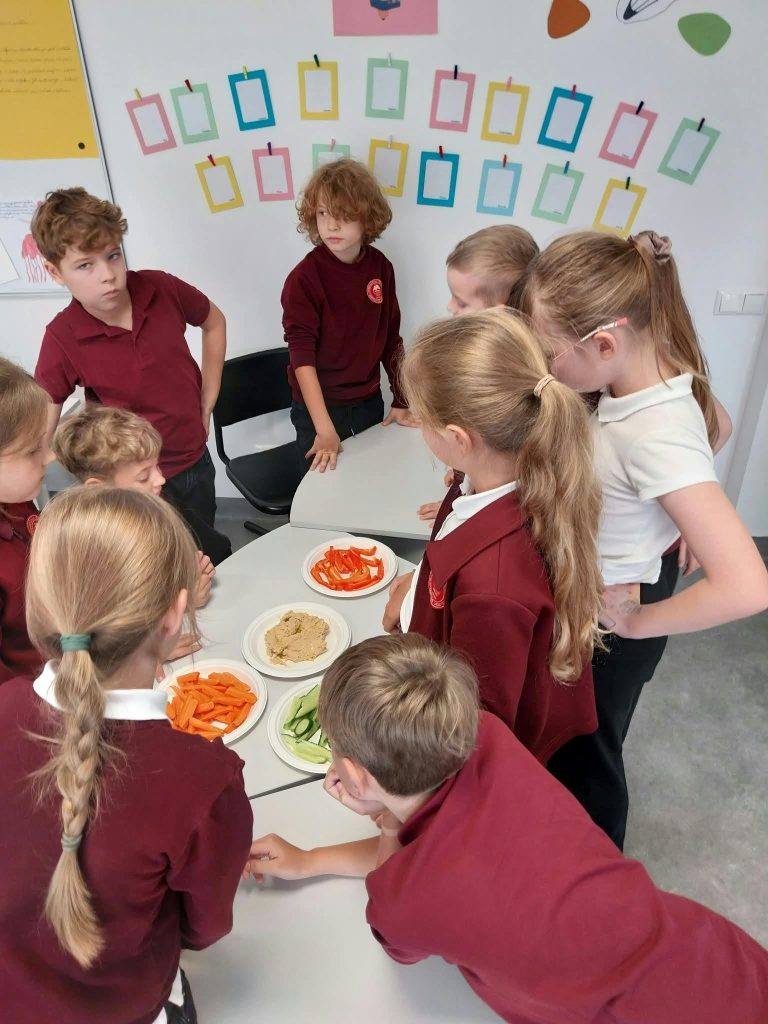
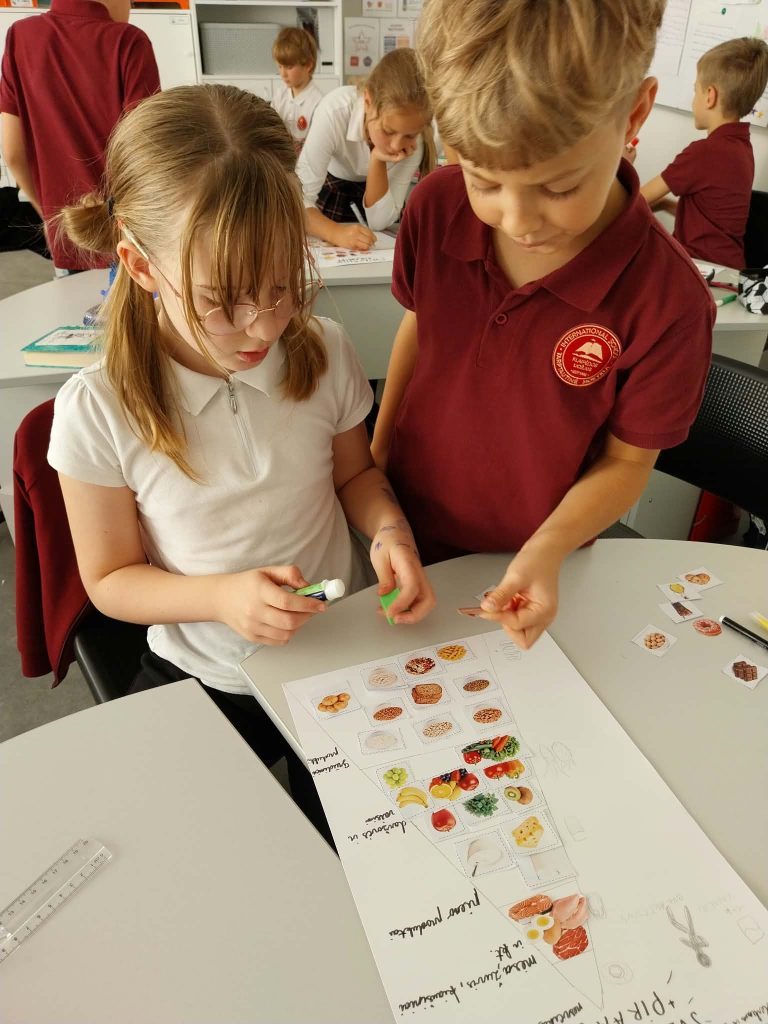
During healthy lifestyle activities, students discussed the principles of a balanced diet, explored healthy food choices and put their knowledge into practice by making hummus and investigating its ingredients and health benefits.
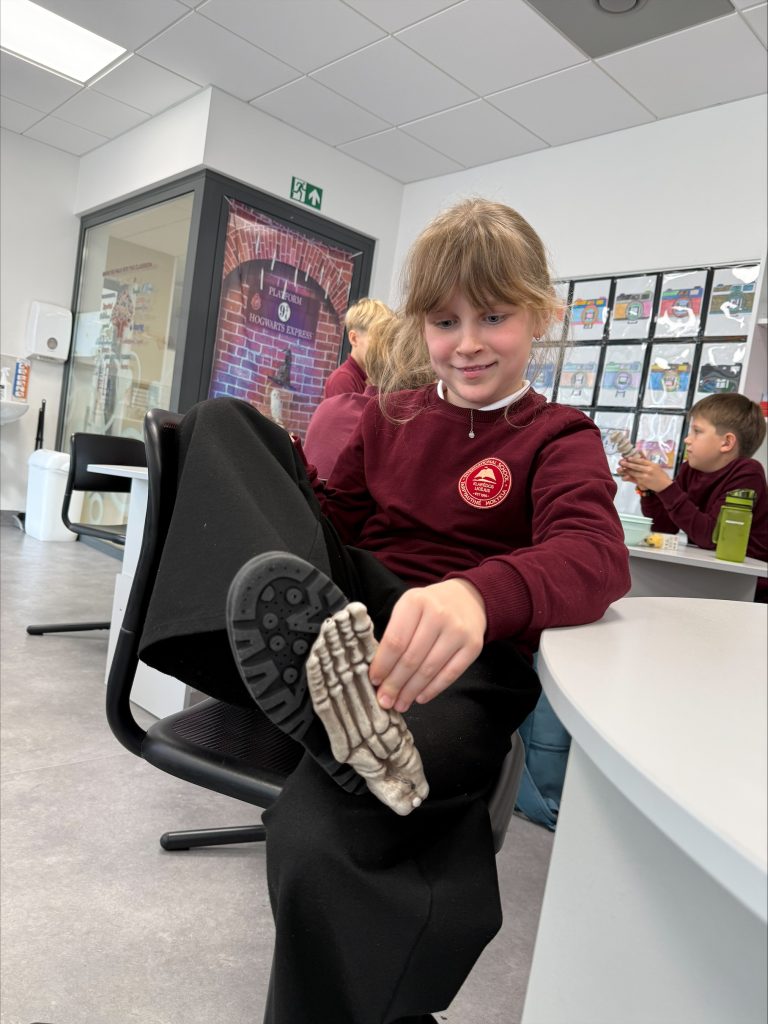
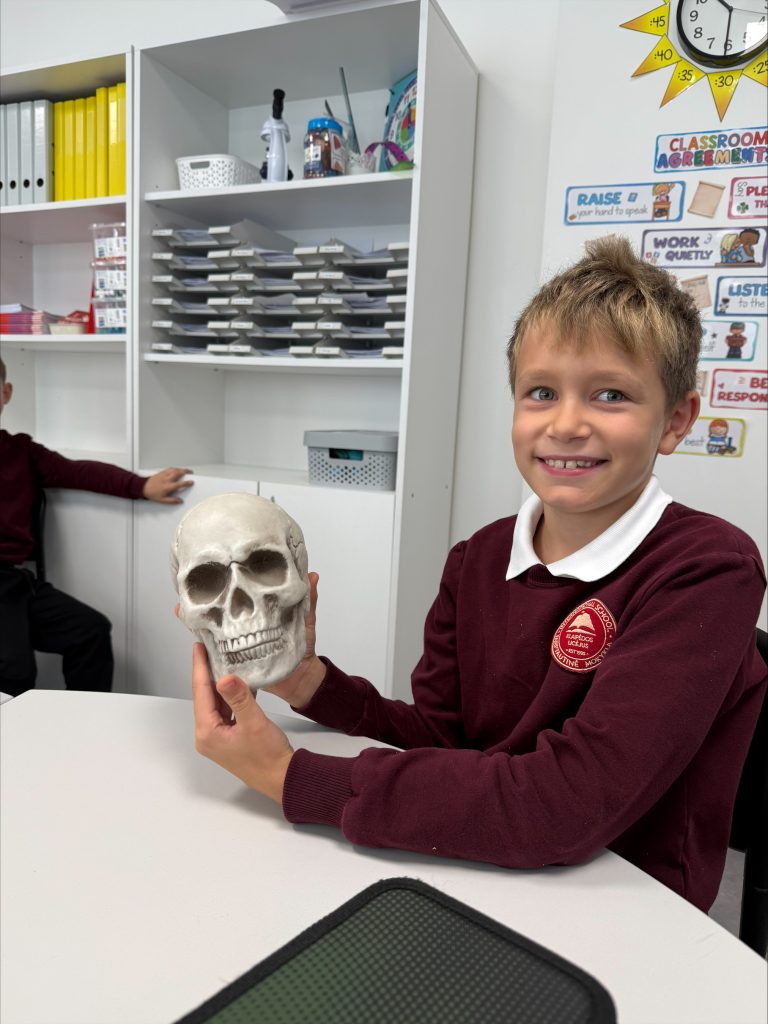
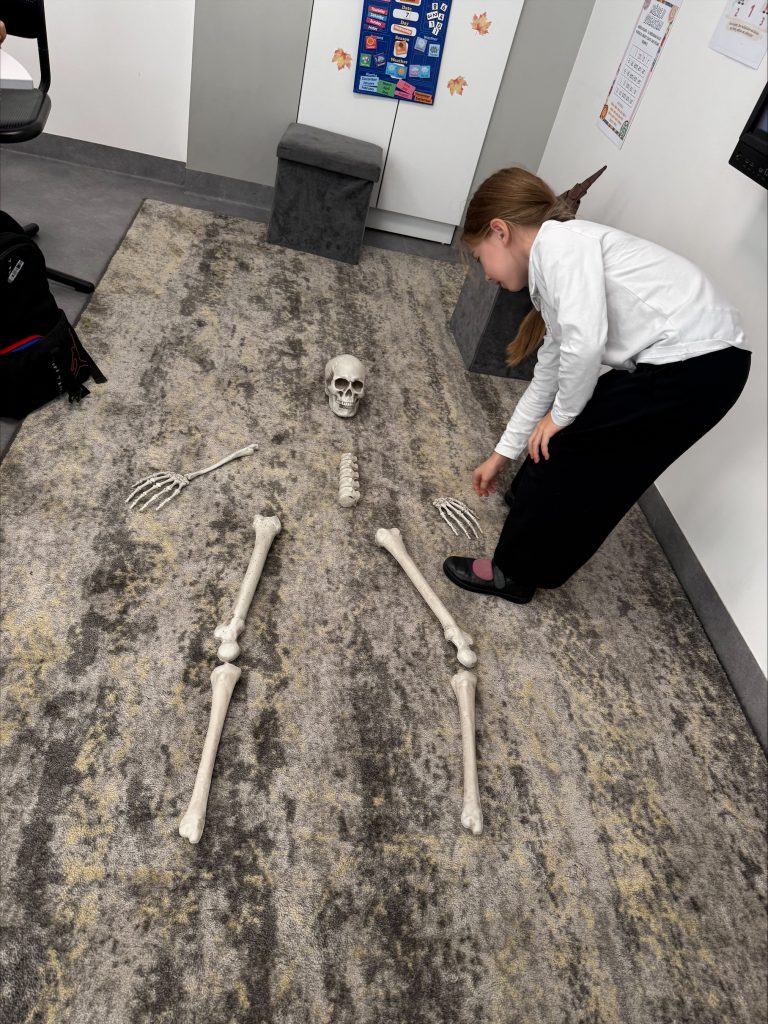
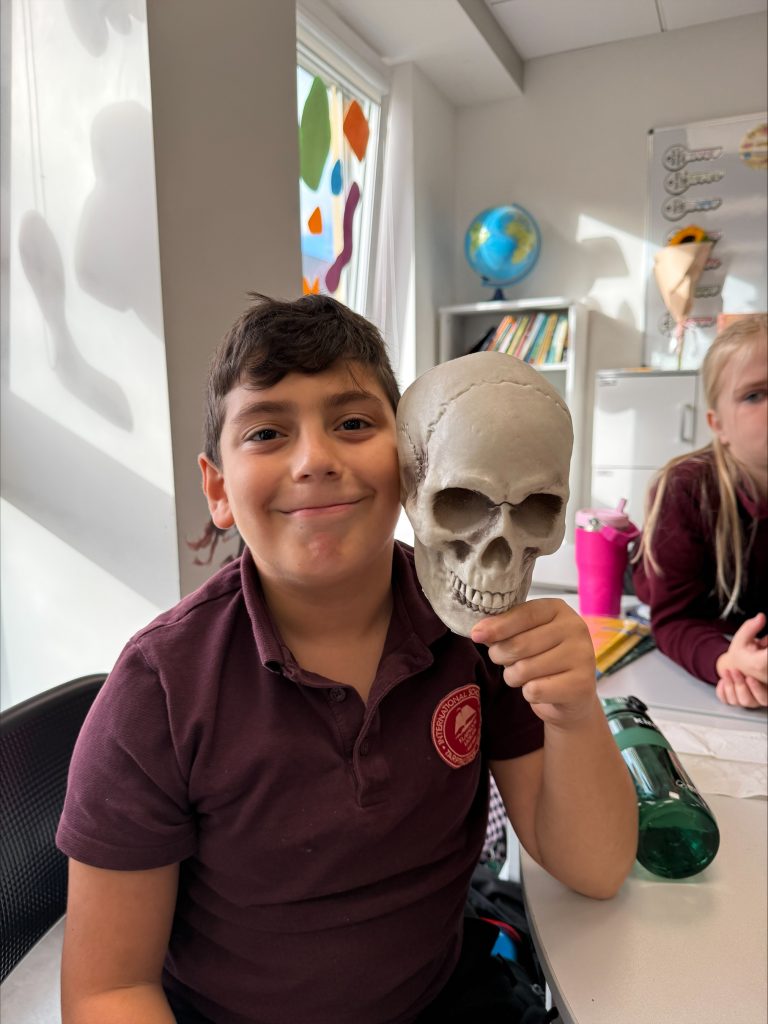
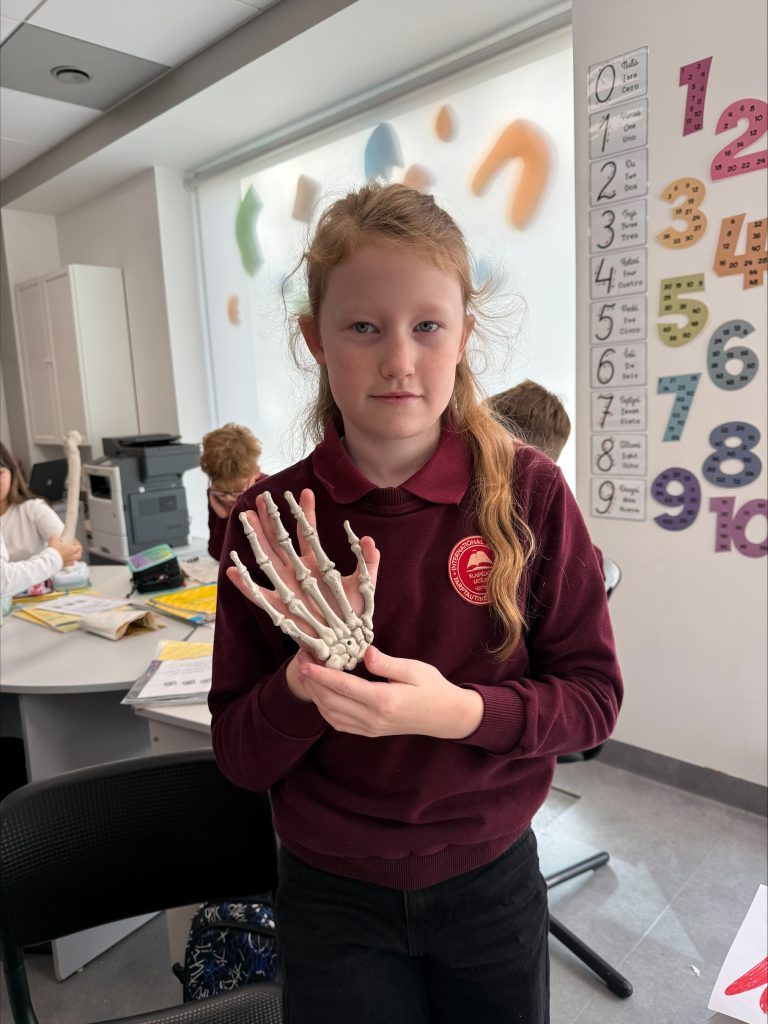
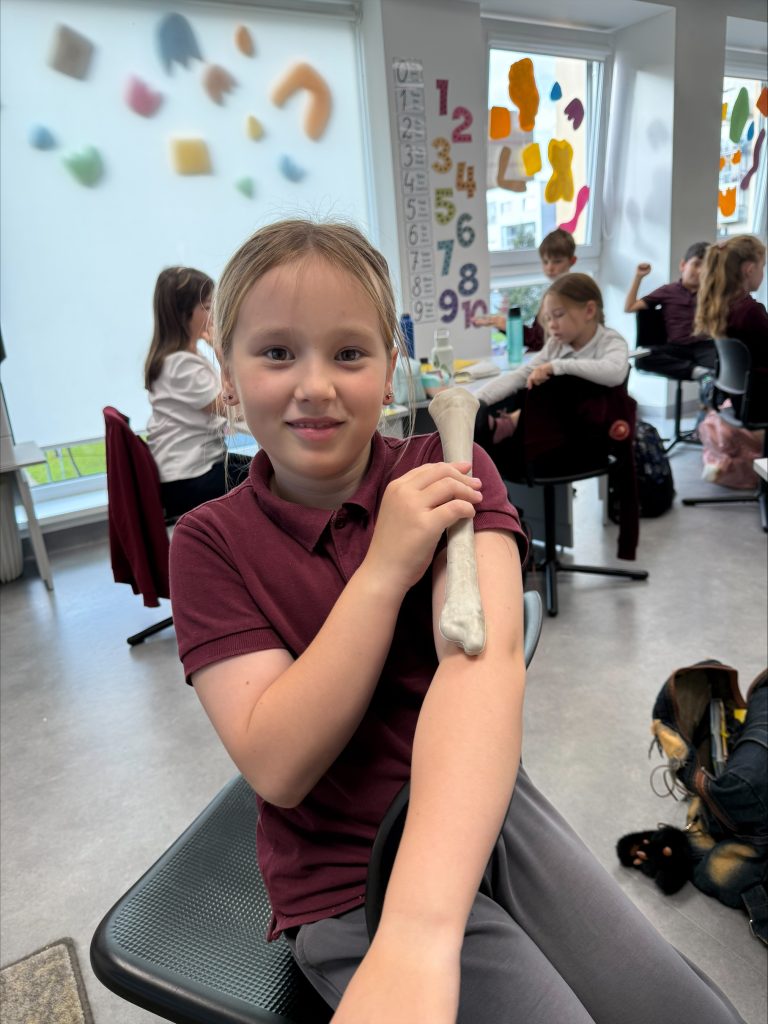
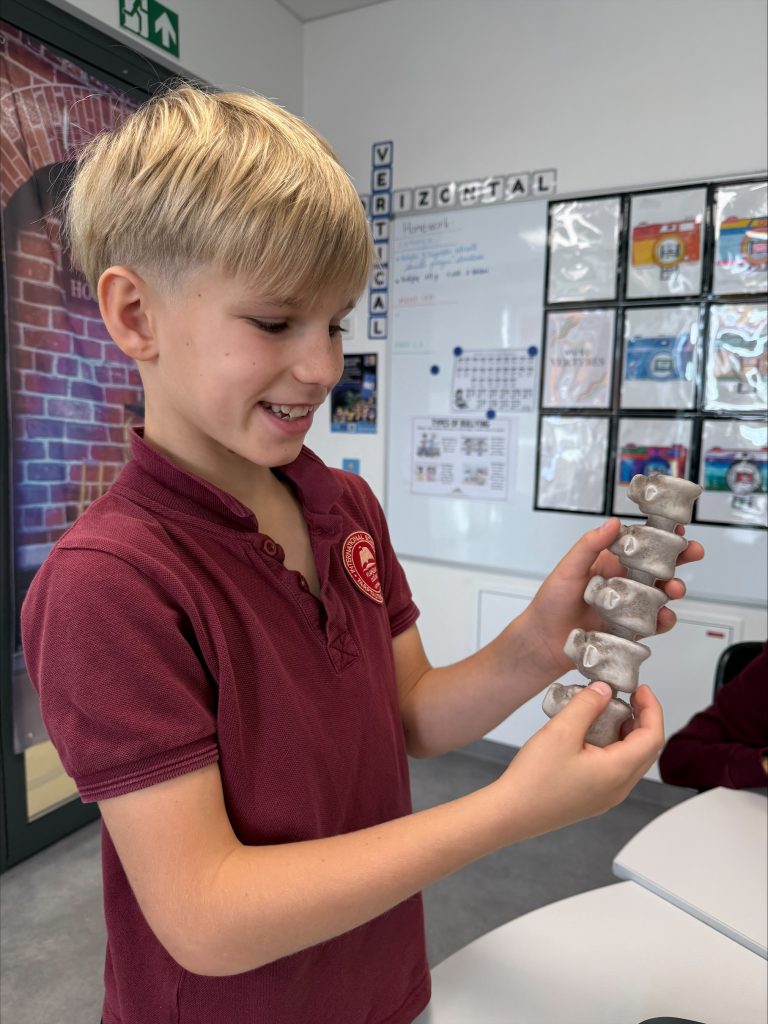
As part of physical activity and health lessons, students learned about the structure of the human skeleton and explored their own balance, flexibility, coordination and agility. They also discussed injury prevention and the principles of safe exercise.
These activities help students learn through experience while fostering curiosity, creativity, critical thinking, collaboration and inquiry skills.